



Coastal Resources
Thematic focus
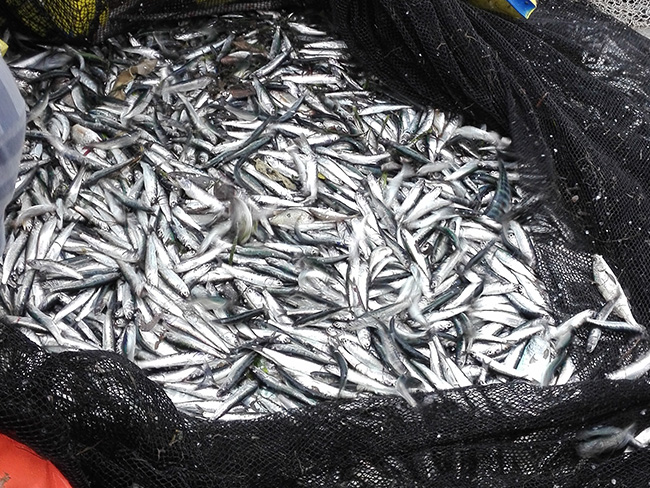
Programme Area 1 (PA 1) provides science-based knowledge to support societies in their transition towards a sustainable Blue Economy by advancing fundamental understanding of coastal resources, their sustainable use and conservation. A particular emphasis is put on biodiversity as well as governance, food security and livelihoods in relation to fisheries and aquaculture. In many of our partner countries, fisheries and aquaculture are key contributors to achieving SDG 2 No Hunger. Therefore, food security plays an important role in the PA Coastal Resources. Fishes and lower trophic level organisms, such as algae and jellyfish, as well as habitat-forming species like mangroves and corals, are central in this context.
As the Blue Economy quickly develops along tropical coasts, it is important to ensure sustainability while providing opportunities across local communities and nations. The International Resource Panel (IRP) of the United Nations Environmental Programme (UNEP) states that the Blue Economy can contribute to multiple Sustainable Development Goals (SDGs), including Life Below Water, Zero Hunger, Clean Water and Sanitation, Decent Work and Economic Growth, and Affordable and Clean Energy.
However, the Blue Economy is not inherently sustainable and often poses challenges to critical ecosystems and coastal communities if not carefully managed. Addressing these challenges requires in-depth knowledge of marine tropical ecosystems and appropriate and effective governance across multiple levels. PA 1 places a strong focus on governance challenges and solutions, including their diversity, equity, social justice and property-rights dimensions for coastal communities across jurisdictions. As such, PA 1 spans a broad and highly interdisciplinary spectrum, integrating natural, economic, and social sciences, and offers multiple promising entry points to integrate modelling and data science approaches within the context of the strategic institute extension TropEcS.
 Contacts
 Publications Programme Area 1
 Working Groups
 Research Projects
 Research Projects (completed, selection)
 On Going
 On Board
 News / Current
 Events