
Harmful algal blooms in Peru: Who bears the consequences?
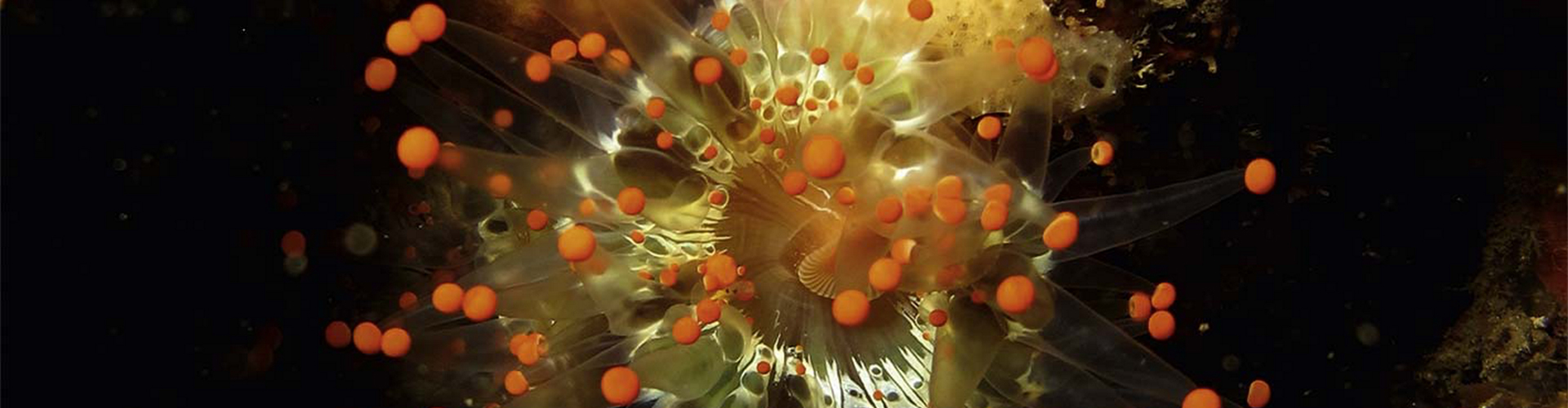
Algal blooms can have serious consequences for marine ecosystems and the economy. They occur when microscopic algae or cyanobacteria multiply rapidly under certain environmental conditions. In large numbers, they can turn the water green, brown, or red; some species also release toxins. When these organisms die, they are decomposed by bacteria, which consume oxygen in the process. The resulting oxygen depletion can be fatal to fish, shellfish, and other marine life.
Jelto Makris, a doctoral candidate at the Institute of Sustainability Governance (INSUGO) at Leuphana University Lüneburg, and Michael Kriegl, a marine social-ecological systems researcher in the “Transformation through Transdisciplinarity” working group at the Leibniz Centre for Tropical Marine Research (ZMT), worked with an international research team to investigate how algal blooms affect scallop aquaculture and coastal fisheries in Peru. In this interview, they discuss their findings.






Why did you choose to study the effects of algal blooms in Peru specifically?
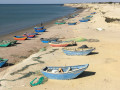
Through accounts from fishers, we learned that algal blooms are a major problem for aquaculture and fisheries in Peru. On Peru’s coast, where many people depend on the sea for their livelihoods, an algal bloom can quickly turn into an economic and social crisis. Previous studies in Peru, however, primarily examined the ecological causes of algal blooms and their effects on marine organisms. No study had yet examined their social, economic, and political consequences. We therefore wanted to understand how local actors perceive the causes and effects of algal blooms, how different groups are able to cope, and what solutions, opportunities, and barriers to adaptation exist.
How did you go about the study?
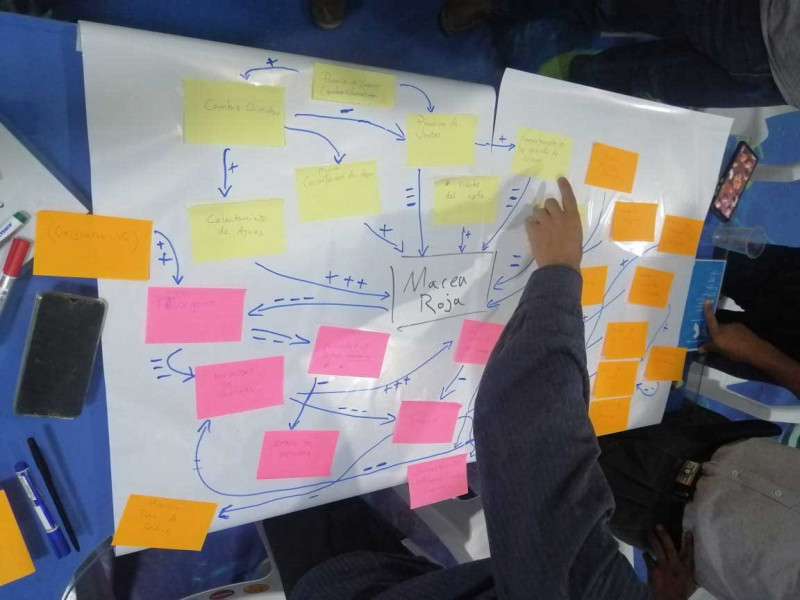
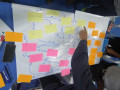
We organised 17 participatory workshops along the Peruvian coast with stakeholders from fisheries, aquaculture, government agencies, and the scientific community. The workshops focused on the consequences of harmful algal blooms in Sechura Bay in northern Peru and Paracas Bay in southern Peru, as well as opportunities for adaptation. Participants identified connections between drivers, impacts, and adaptation measures. From these causal networks, we developed models to examine the effects and potential consequences of different adaptation strategies. The models thus reflect the knowledge and assessments of the participants.
What particularly surprised you about the results?
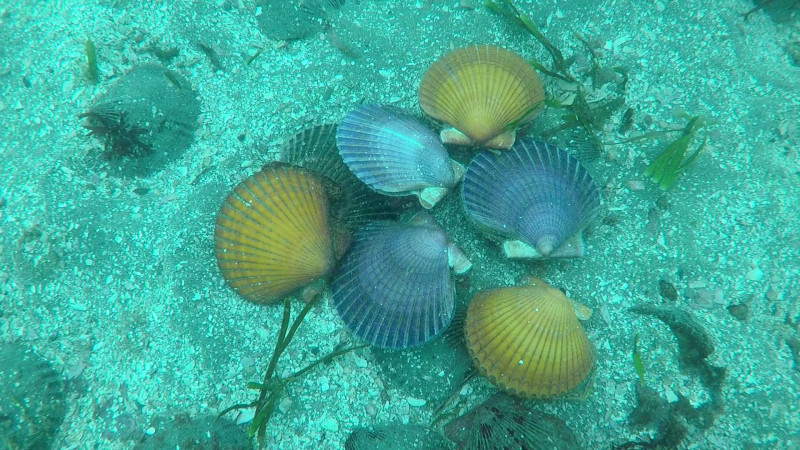
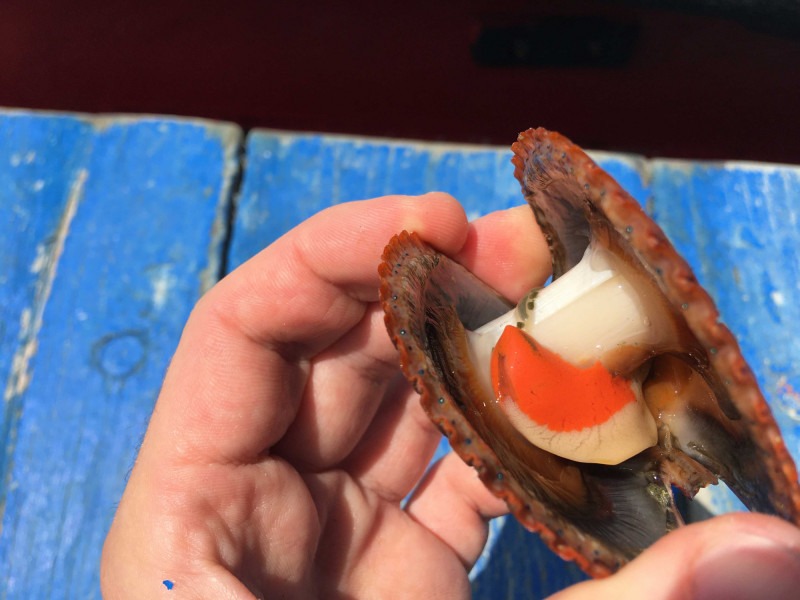
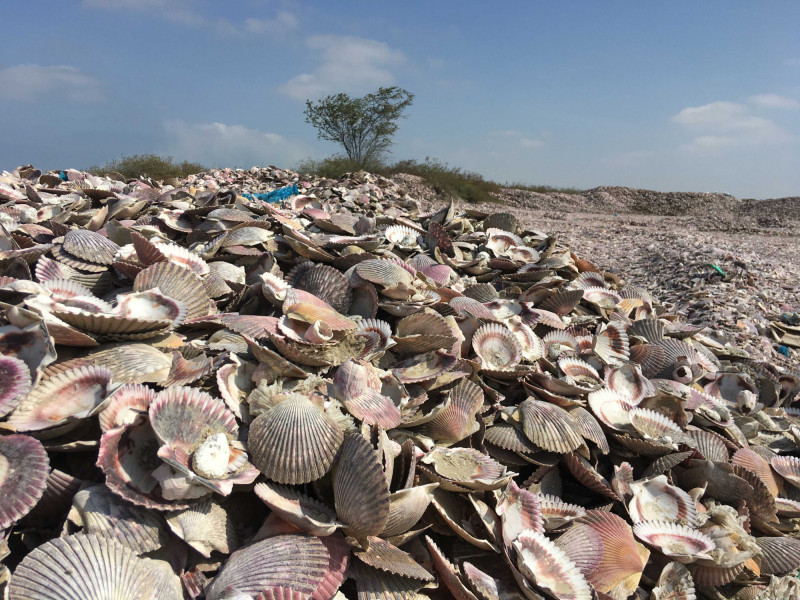
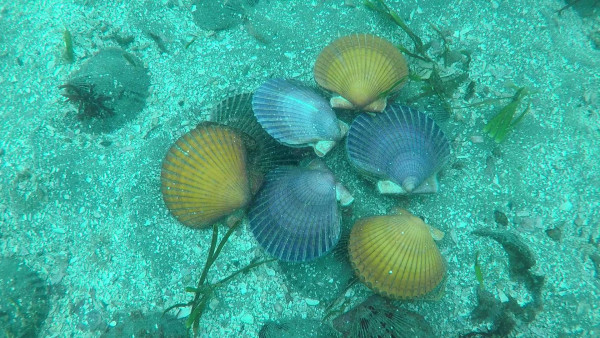
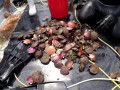
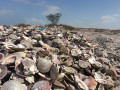
Just how differently the sectors are affected. While participants assessed the impacts on fisheries, tourism, and health as comparatively minor, they described significant consequences for scallop aquaculture. They reported recurring mass die-offs due to acute oxygen depletion, as well as associated financial losses.
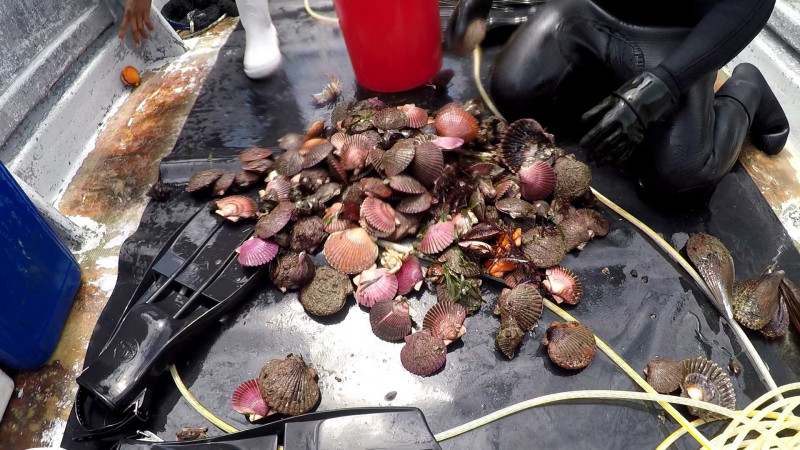
A scallop production cycle in Peru lasts nearly one year. Aquaculture operators therefore have to invest before they can harvest. If an algal bloom destroys the harvest, they are left to bear the costs. The consequences extend far beyond the aquaculture sector: jobs are lost throughout the region, including in transport, processing, and local restaurants, all of which are economically linked to scallop aquaculture.
To what extent did participants also see problems for exports to Europe?
While oxygen depletion can lead to mass mortalities of scallops, biotoxins associated with algal blooms in Peru primarily pose a regulatory burden. Anyone exporting scallops to Europe must demonstrate that their products meet the relevant food safety requirements. Despite the functioning monitoring programme, concerns about positive test results and resulting prolonged market closures weigh heavily on producers.
The government monitoring programme protects consumers in Europe from health risks, but local health risks receive less attention. Scallop divers, for example, report skin irritation during algal blooms. According to participants, public health authorities have little awareness of algal toxins, suggesting that local health impacts may go undetected.
What are the biggest differences between government measures and local needs?
Monitoring and crisis management in the export-oriented scallop aquaculture sector focus primarily on food safety and compliance with export regulations. In contrast, issues that local stakeholders perceive as particularly serious receive less attention: scallop mass mortality due to oxygen depletion and the resulting economic losses and social hardship.
Are all coastal areas and scallop producers equally affected?
No, the risk is unevenly distributed, both geographically and socially. Scallop and fish die-offs often affect only certain areas along the coast, leading to different perceptions of risk. Larger companies also have more resources to cushion the consequences of algal blooms.
While most aquaculture operators can adjust harvest times or carry out emergency harvests, larger companies have additional advantages over small-scale producers. They have access to satellite data to detect conditions conducive to algal blooms early on, are well connected to the research community, have access to technological innovations such as hatcheries and suspended cultivation, and can factor losses into their long-term financial planning.
Small-scale businesses on the other hand face logistical bottlenecks, as they generally depend on the processing and refrigeration capacities of large companies. Without access to formal bank loans, small-scale producers often have to sell personal assets, such as cars or homes, to finance a fresh start after a crisis.
What makes dealing with algal blooms more difficult?
A key hurdle is the uneven distribution of knowledge. Fishers, aquaculture operators, researchers, and local marine authorities had in-depth knowledge of algal blooms. Outside this circle, however, even municipal and health authorities knew very little about this phenomenon. Our findings thus confirm those of other case studies, which call for greater awareness of algal blooms, particularly within healthcare, tourism, and coastal communities.
There are political hurdles, too. Stakeholders disagreed about what constitutes an algal bloom, what actually causes scallop and fish mortality, and which adaptation measures are effective and realistic. Whether algal blooms are understood as a natural phenomenon, a consequence of pollution, or both shapes views on who should bear the costs and which solutions are legitimate.
In Paracas, this issue is closely linked to the long-standing conflict over wastewater from the fishmeal industry. In Sechura, the focus is more on how authorities and producers share responsibility for monitoring and crisis response. In both places, there were significant tensions between authorities and local resource users. Clearer communication and public education by authorities, alongside a greater say for those affected, could help build trust. Managing algal blooms is therefore not a purely technical problem; it is also part of deeper-rooted environmental conflicts.
What measures do stakeholders consider particularly important?
Participants identified 38 adaptation strategies, ranging from emergency harvests and adjusted harvest times to suspended cultivation and income diversification. The workshops also revealed factors that facilitate or hinder the implementation of these adaptation options.
Across all groups, two priorities emerged: establishing an early-warning system and strengthening existing monitoring protocols. Greater awareness of the risks, particularly in healthcare and tourism, is equally important. Finally, it is essential to reduce inequalities in how people are affected by algal blooms and how they can respond. Understanding these inequalities can help develop more effective and equitable responses.
What does this mean for small-scale producers and their future?
Alongside early-warning systems and technical solutions, smaller businesses and individuals need, above all, the economic means to adapt. Social networks, including families, neighbours, and producer associations, often help people to weather crises. Many of those affected also want government support to diversify their sources of income. For them, the question is not only which measures would help, but also how to afford them.
At the same time, scallop aquaculture is undergoing a fundamental transformation. Export requirements and legislative changes are driving formalisation and privatisation, while use rights are increasingly concentrated in the hands of a few actors. Small businesses struggle with the costs of refrigeration, certification, and monitoring. Algal blooms add to this economic pressure: after a crisis, some small-scale producers enter into contracts with larger companies to stay in business. While this can secure their economic survival, it also creates new dependencies.
What’s next for research on algal blooms?
No specific follow-up studies are currently planned in Peru. However, we may launch a complementary study on algal blooms in Costa Rica as part of TropEcS, ZMT’s modelling initiative.
What is the most important conclusion of the study - even beyond Peru?
Harmful algal blooms have far-reaching social, economic, and political consequences. The findings from Sechura and Paracas therefore raise questions that are relevant elsewhere as well: Who bears the consequences, who can adapt, and who bears responsibility?
In Germany, the fish kills in the Oder River and blue-green algal blooms in the Baltic Sea have shown that algal blooms are far more than an ecological problem. They also have economic and political consequences and affect trust in authorities.
Better management therefore requires reliable monitoring data and early-warning systems, alongside an understanding of who is most affected and who has the resources to adapt effectively. These aspects become even more important as climate change and more intensive use of coastal areas lead to further increases in algal blooms and exacerbate their consequences.
Publication
Makris J, Cuellar-Martinez T, Aguirre-Velarde A, Schlüter A and Kriegl M (2026) Human dimensions of harmful algal blooms in coastal Peru: perceived impacts, adaptation, and governance challenges. Front. Mar. Sci. 13:1844411. doi: 10.3389/fmars.2026.1844411
 Contacts
 Programme Areas
 Working Groups