


Background
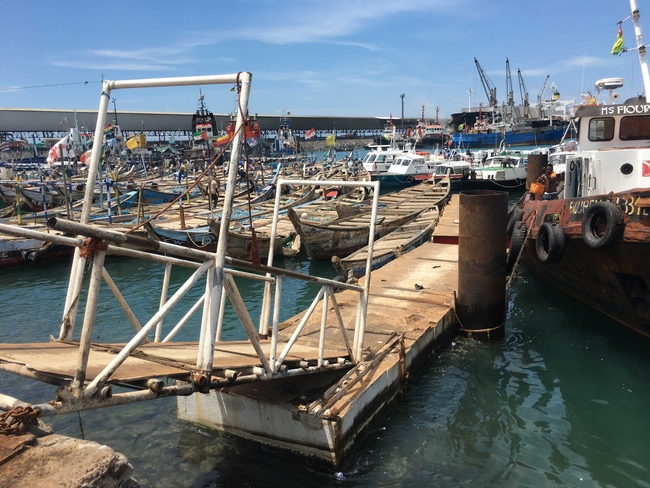
The development of the blue economy is taking shape in many jurisdictions, including tropical coastal countries. While the blue economy and the discourse around its development and implementation are fragmented and sometimes contested, there is consensus that sustainable use of coastal and marine resources should be central.
Achieving this sustainability requires both theoretical and applied knowledge to guide policy formulation, strategy development, and on-the-ground implementation. This can only be fostered by research, training and partnerships through capacity building, particularly for tropical countries that heavily rely on the ocean for food and wellbeing.
The overall goal of the PASBLUE project is to develop, together with our partner institution in Ghana (University of Energy and Natural Resources - UENR), a master's programme (MPhil/MSc in Sustainable Blue Economy) and mainstream it into the teaching curricula and research at the graduate level. The aim is to train a new generation of scientists and practitioners who are well equipped to contribute to the development of a sustainable blue economy in Ghana and West Africa.
Project approach
The project adopts a collaborative approach to knowledge generation, scientific exchange and capacity building. Project activities will include:
▪ Collaborative development, teaching and supervision in the master degree programme
▪ Scientific exchange for academic staffs
▪ Academic exhange for students
▪ Scientific Workshops/Seminars at UENR
 Contacts
 Programme Areas
 Working Groups
 Project flyer for download