


Shaping the future of coral reefs: ZMT researchers share their key takeaways from ICRS 2026
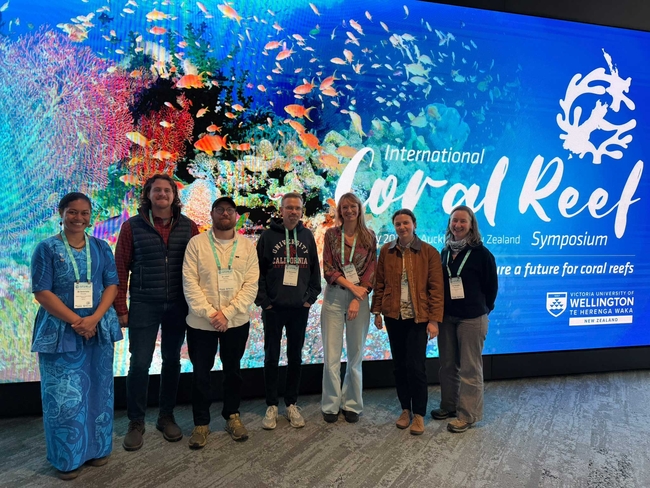
Coral reefs are facing unprecedented challenges, making international scientific exchange more important than ever. In July, more than 2,000 researchers, conservation practitioners, and policymakers gathered in Auckland, Aotearoa New Zealand, for the 16th International Coral Reef Symposium (ICRS2026) – the world's leading conference on coral reef science and conservation.
Under the guiding theme "Working together to ensure a future for coral reefs", participants presented the latest research, discussed innovative conservation and restoration approaches, and explored how science, Indigenous knowledge, and international collaboration can help safeguard coral reef ecosystems in a rapidly changing world.
Researchers from Leibniz Centre for Tropical Marine Research (ZMT) contributed to the scientific programme across a wide range of topics, from coral reef ecology, scientific diving and monitoring to social-ecological systems and climate resilience. Below, they share their key insights and takeaways from ICRS2026.
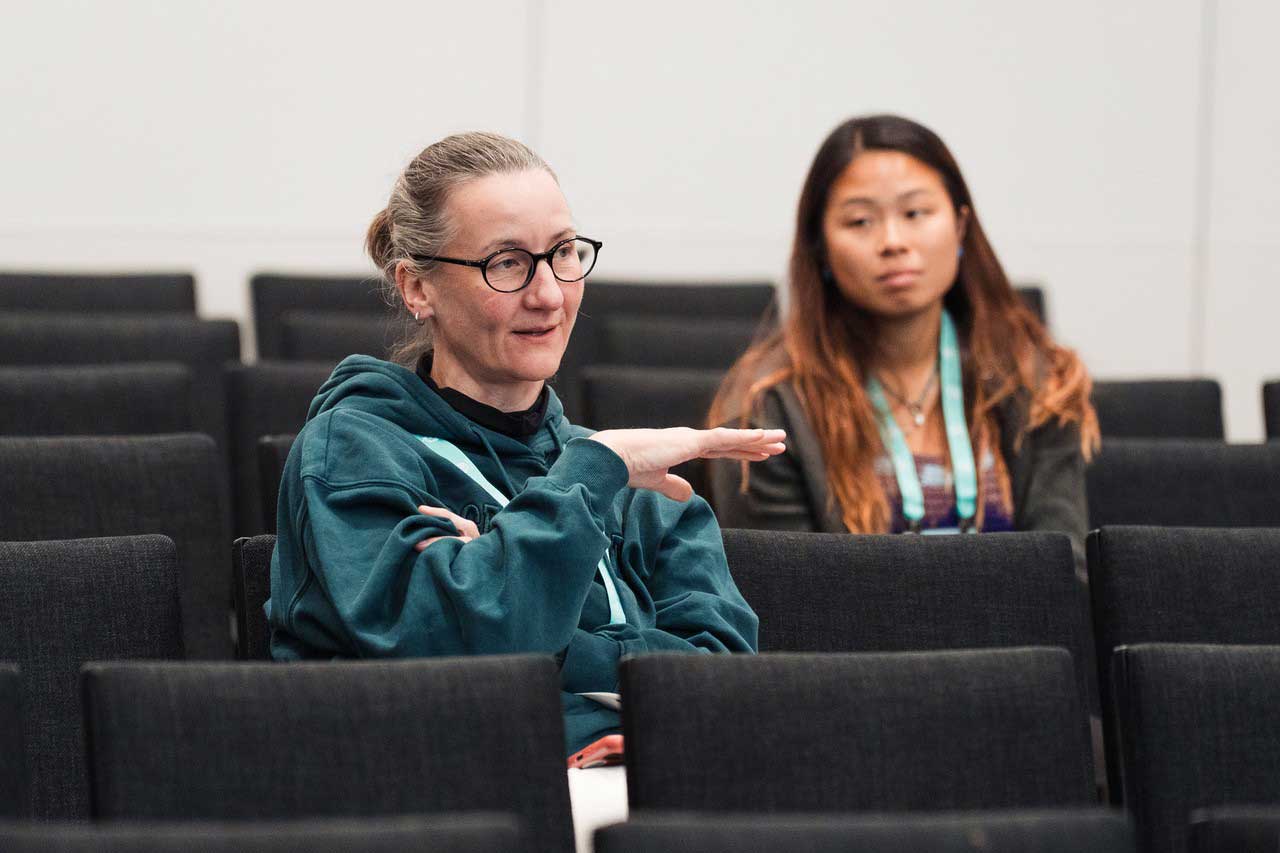
Photo: Smoke Photo & Video
Dr Annette Breckwoldt | Head of Programme Area 5 Societal Impact and the Working Group Transformation Through Transdisciplinarity
“What struck me most was how researchers from very different geographic and cultural contexts all converged on the same insight: certain reef places and species function as social-ecological and biocultural 'anchors' for Indigenous and local stewardship, from Rāhui practices in French Polynesia to totemic and ancestor species governance in New Caledonia. More broadly, ICRS 2026 reflected a clear shift towards Indigenous-led monitoring, community-owned data and governance, and stronger integration of social and ecological reef science. The conference highlighted how reef conservation can succeed when it is socially just, culturally grounded and Indigenous-led."
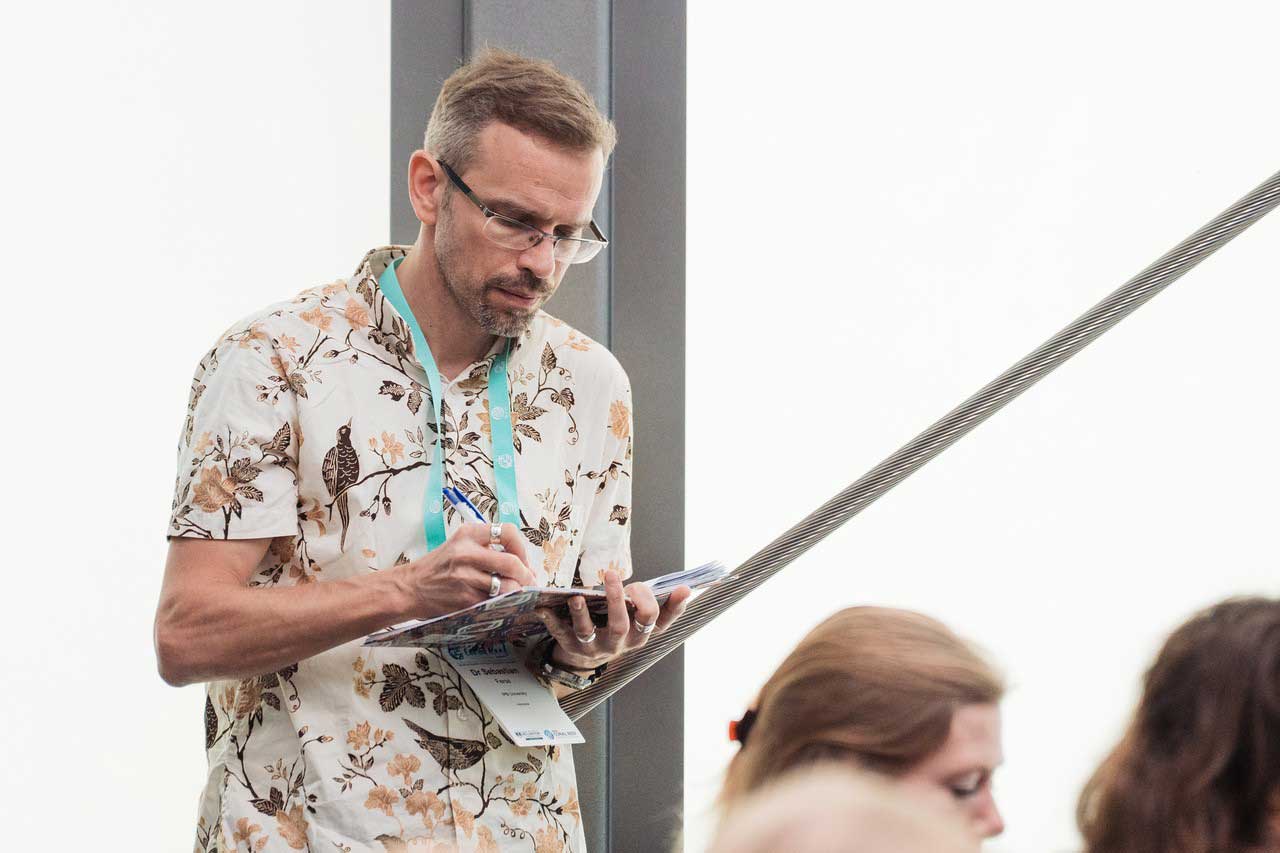
Photo: Smoke Photo & Video
Dr Sebastian Ferse | Senior Scientist, Programme Area 4 Ecosystem Co-Design
"While the latest data on coral reefs are worrying and clearly show the devastating impacts of climate change, we are beginning to understand better how the reefs of the future will function, and how we need to manage and restore them to sustain the vital ecosystem services they provide. There is also hope that some corals may be better able to adjust to changing conditions than previously assumed, provided humanity takes climate change seriously and accelerates efforts to reduce greenhouse gas emissions. I was also encouraged by the growing number of interdisciplinary contributions, including citizen science, local and Indigenous knowledge, and restoration, showing that the reef science community is developing the kinds of solutions needed to address today's coral reef crisis."
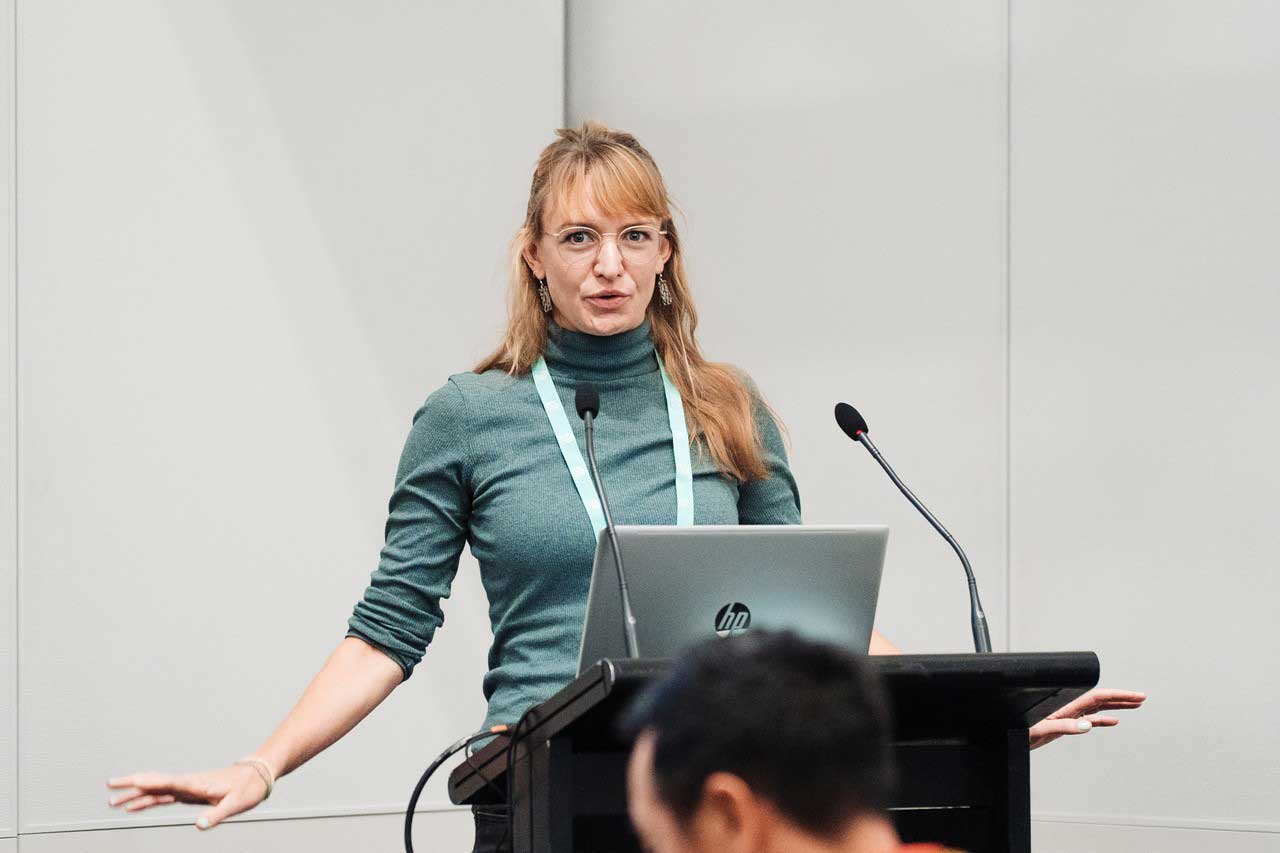
Photo: Smoke Photo & Video
Dr Marleen Stuhr | Postdoctoral Researcher, Programme Area 4 Ecosystem Co-Design, WG Geoecology and Carbonate Sedimentology
“Adaptation and resilience were central themes throughout the conference, alongside reef restoration, management and the integration of Indigenous and local knowledge. What struck me was how readily the community has moved beyond the idea that reefs are simply either alive or lost. Instead, discussions focused on the many possible future states of reefs and where we can still influence their trajectory. The atmosphere in Auckland was not one of resignation. More than 2,000 participants from over 90 countries came together with remarkable determination. My strongest takeaway is that every fraction of a degree matters, every functioning reef matters, and reducing local pressures has never been more important. That spirit was captured beautifully in the keynote by Prof. Julia Baum, who closed with a quote by author Rebecca Solnit: 'You are not giving up, and neither am I. The fact that we cannot save everything does not mean we cannot save anything, and everything we can save is worth saving’.”
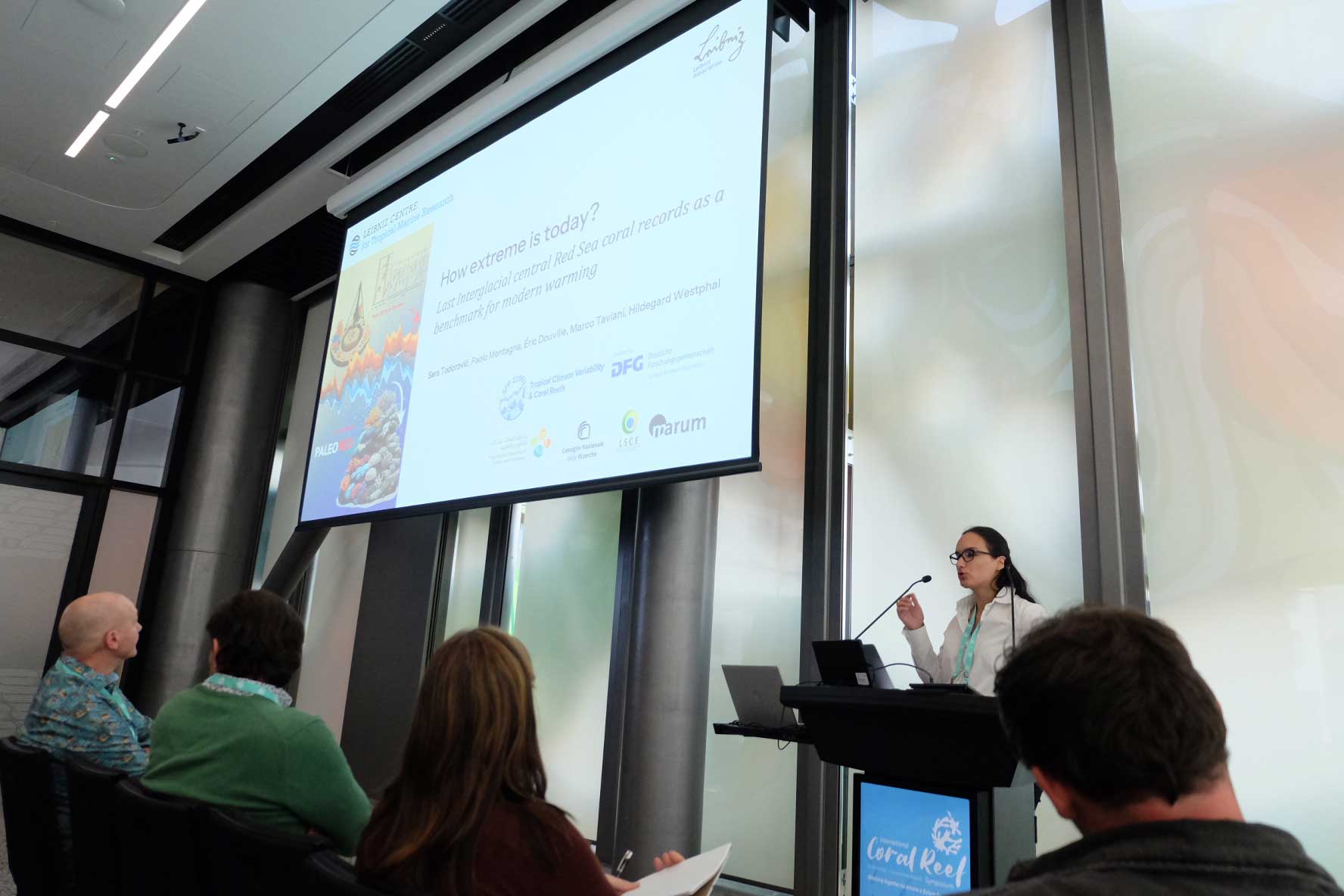
Dr Sara Todorović | PI – project PALEORED | Programme Area 4 Ecosystem Co-Design | WG Geoecology and Carbonate Sedimentology
“Despite the ongoing pessimism about the state of coral reefs worldwide, the community doesn't let it win and seems to be pivoting toward a solutions-focused approach to help these valuable ecosystems recover. I was particularly impressed by the new ancient DNA (aDNA) approach that has valuable applications in understanding symbiont shuffling. Applying these techniques, traditionally focused on terrestrial bones or teeth, to porous, calcium carbonate coral skeletons (coraDNA), with their low biomass and high susceptibility to environmental degradation, is truly cutting-edge, and lets us learn about shifts in coral symbionts over centuries. Paleoclimatology is a relatively small niche of coral research, which makes the opportunities to exchange with colleagues face-to-face rare, even though it provides valuable baselines for modern research and applications. So being able to exchange in person with colleagues from around the world gave me valuable input and inspired me for future joint endeavours. The commitment of this global scientific community shows me that we are doing everything possible, despite the uncertain future of the coral reefs and the increasingly unfavourable circumstances.”
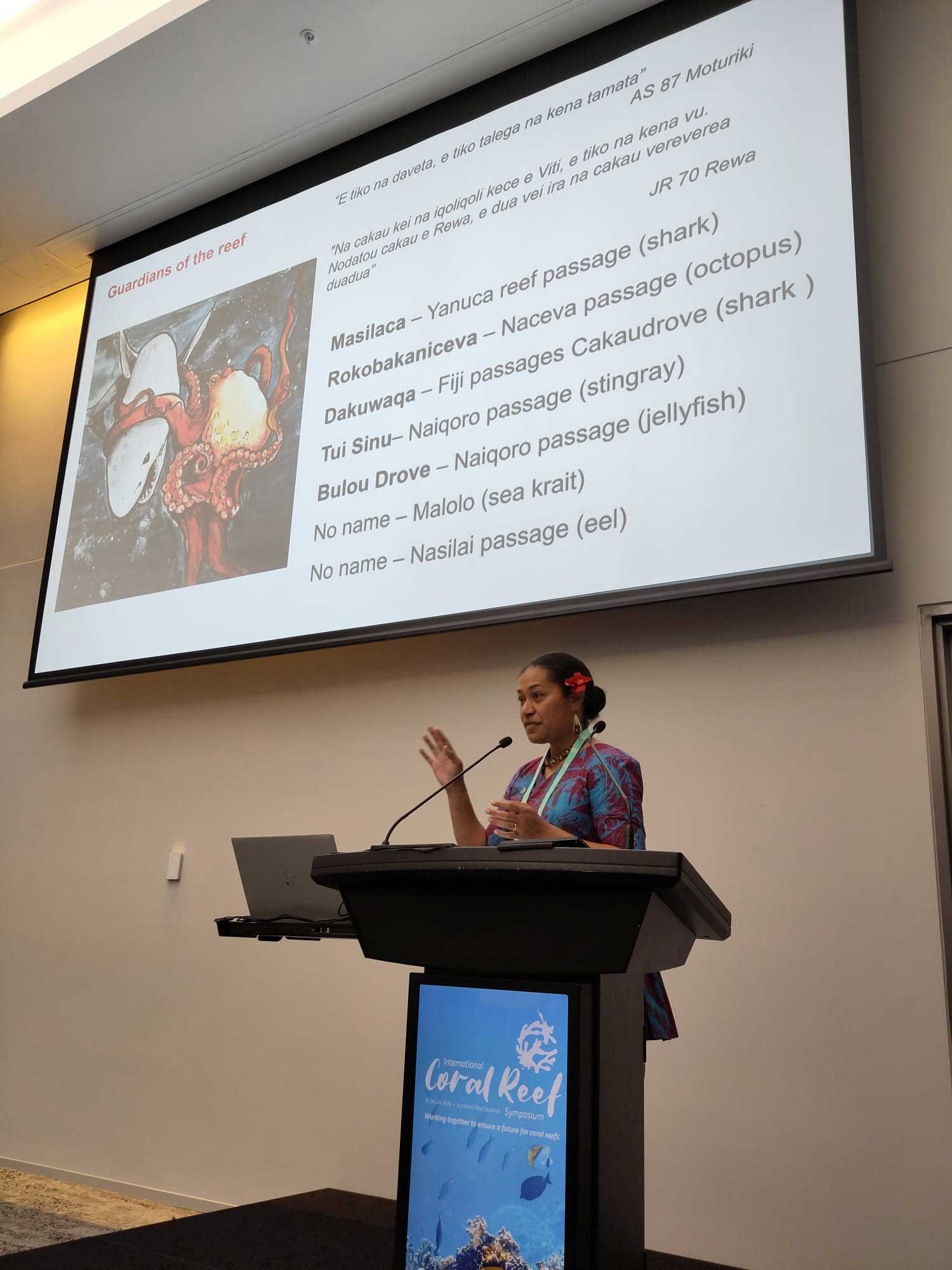
Photo: Smoke Photo & Video
Dr Salanieta Kitolelei | Postdoctoral Researcher, WG Transformation Through Transdisciplinarity
“As a Pacific Islander in research, making coral reef science make sense for my people was my priority and attending this conference opened my eyes to how much advancement and work is being made to save the corals. A key takeaway from the conference is that it comes down to the people and holistic systems. In the Pacific, corals are part of our indigenous knowledge systems and protected in stories and song, and through building synergies with the sciences available today, we can advance coral reef protection and make it all make sense to people who live and work with coral reefs all their lives for survival.
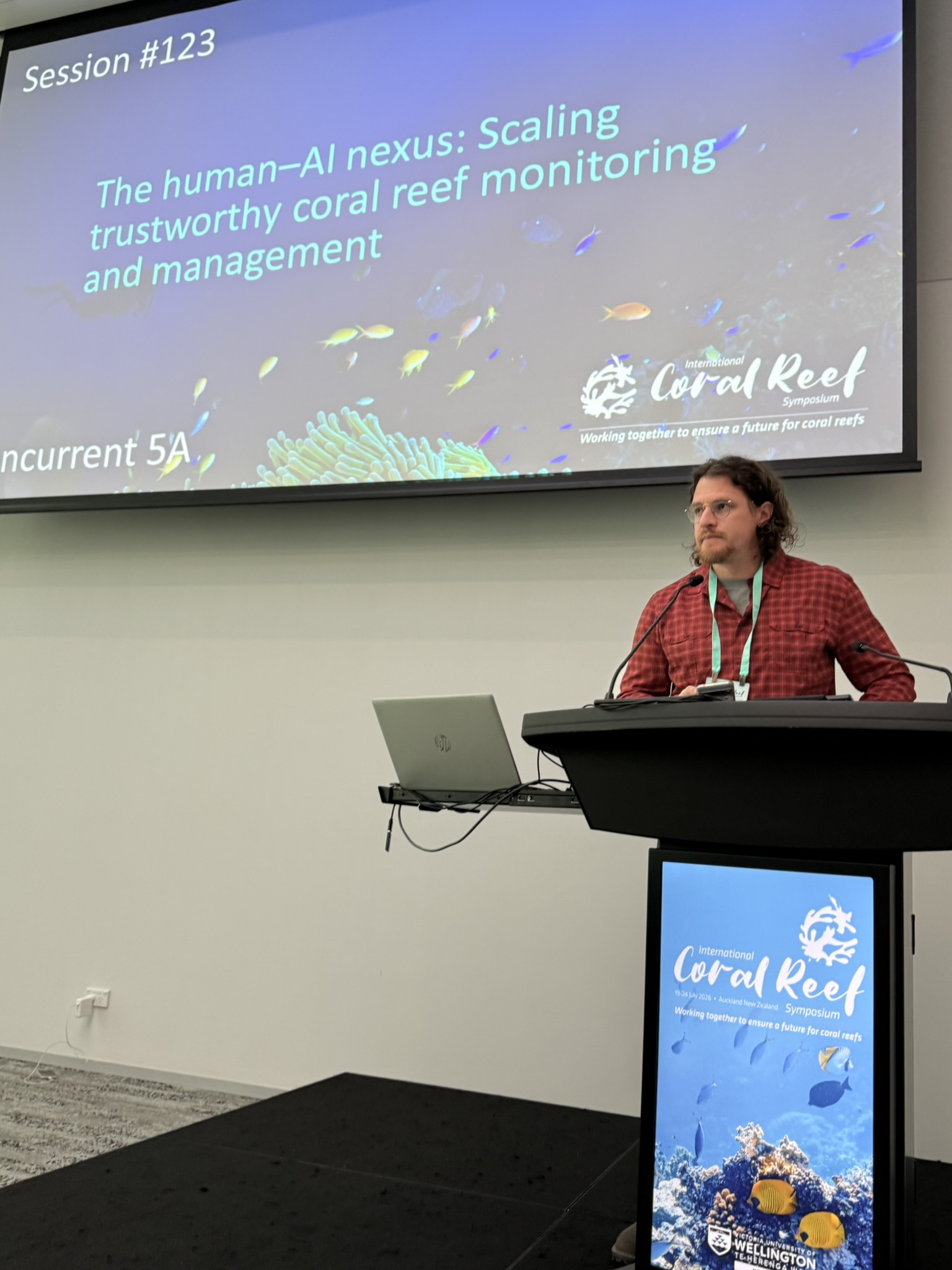
Dr Daniel Schürholz | Programme Area 1 – Coastal Resources, Head of Working Group Data Science and Technology
”All the research presented in this year's ICRS was an urgent reminder on how critically endangered some of the most precious marine ecosystems on our planet are, but also what can be done to protect and restore them. What caught my attention, as a data scientist, is the pace at which observation and restoration technologies are being developed and applied on the field. Throughout the conference, experts in many fields reported on the state of coral reefs across the tropics (which is nothing new to ICRS), but the scales at which the observations are taking place nowadays is truly ground-breaking. In the session "Human-AI Nexus", which I helped co-chair, researchers working on multi-disciplinary projects presented their breakthroughs. The use of state-of-the-art sensor technologies (e.g. image and audio) and sensing platforms (satellites, underwater/aerial drones) is allowing to rapidly acquire large amounts of data that scale up to whole coastlines and the globe. Furthermore, the processing of this raw data is being streamlined with novel AI and data science approaches to reveal a detailed picture of coral reef health and that of their many inhabitants, such as fish, invertebrates, marine mammals, algae, etc. These approaches reduce the uncertainty in our understanding of these ecosystems at unprecedented scales, and allow for more informed decisions in restoration and management actions. I personally cannot wait to the next ICRS to hear the new insights gained from applying these technologies for the next 4 years of coral reef research.”
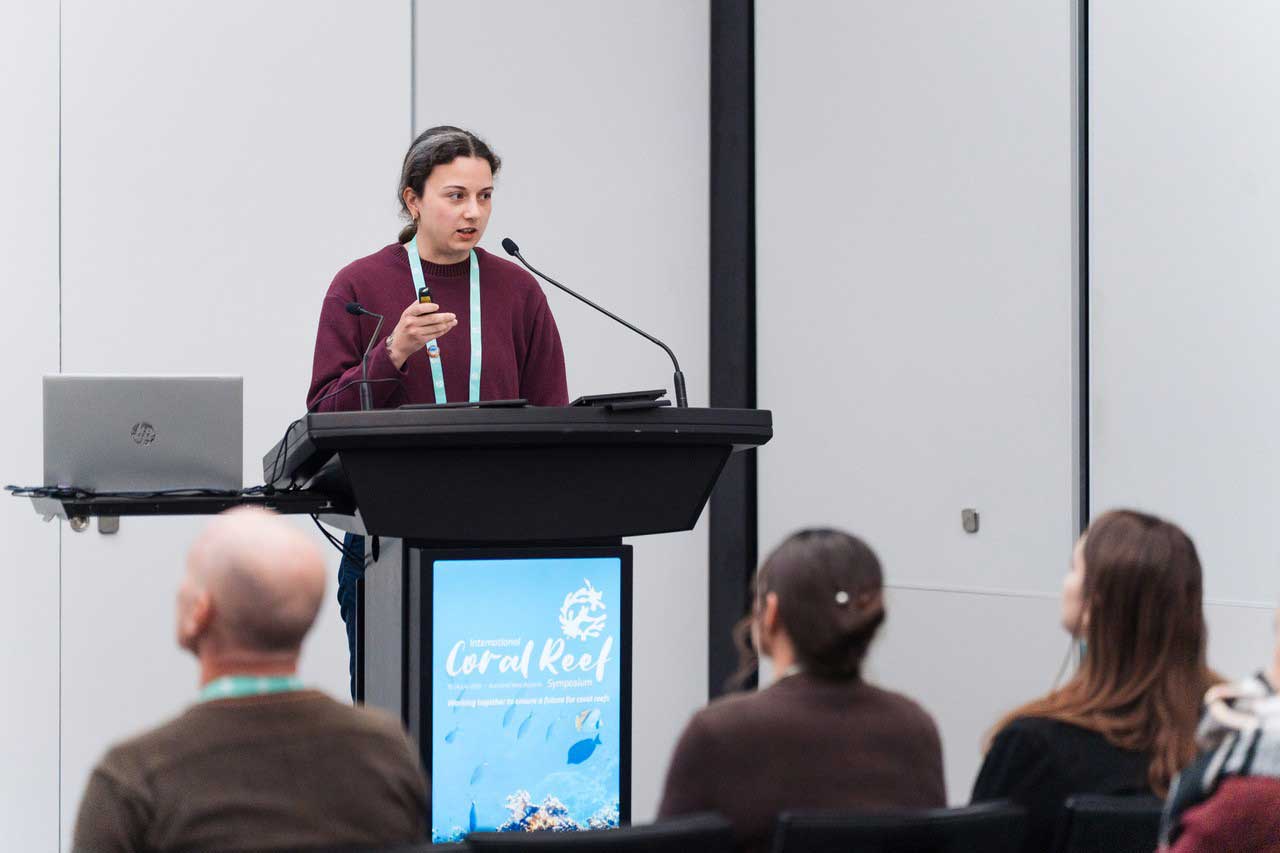
Photo: Smoke Photo & Video
Elana Kysil, Doctoral Researcher | Leibniz Institute of Plant Biochemistry and long-term guest researcher at ZMT | Programme Area 4 Ecosystem Co-Design | WG Geoecology and Carbonate Sedimentology
“Working between ZMT and Leibniz Institute of Plant Biochemistry (IPB) in Halle, I often felt like an outsider: biochemistry in a geochemistry group, corals at a plant institute, omics in a department focused on natural products and synthetic chemistry. Interdisciplinary research can sometimes feel surprisingly isolating. Visiting ICRS was therefore refreshing. For the first time in a long while, I found myself surrounded by people who immediately understood the questions I was trying to answer. What impressed me most was the sense of continuity and legacy. Scientific questions are often larger than individual projects, contracts or even careers – they need communities and institutions that carry them forward over decades. Legacy cannot be created in isolation; it emerges from communities, and meetings like ICRS are where those communities begin to grow.”
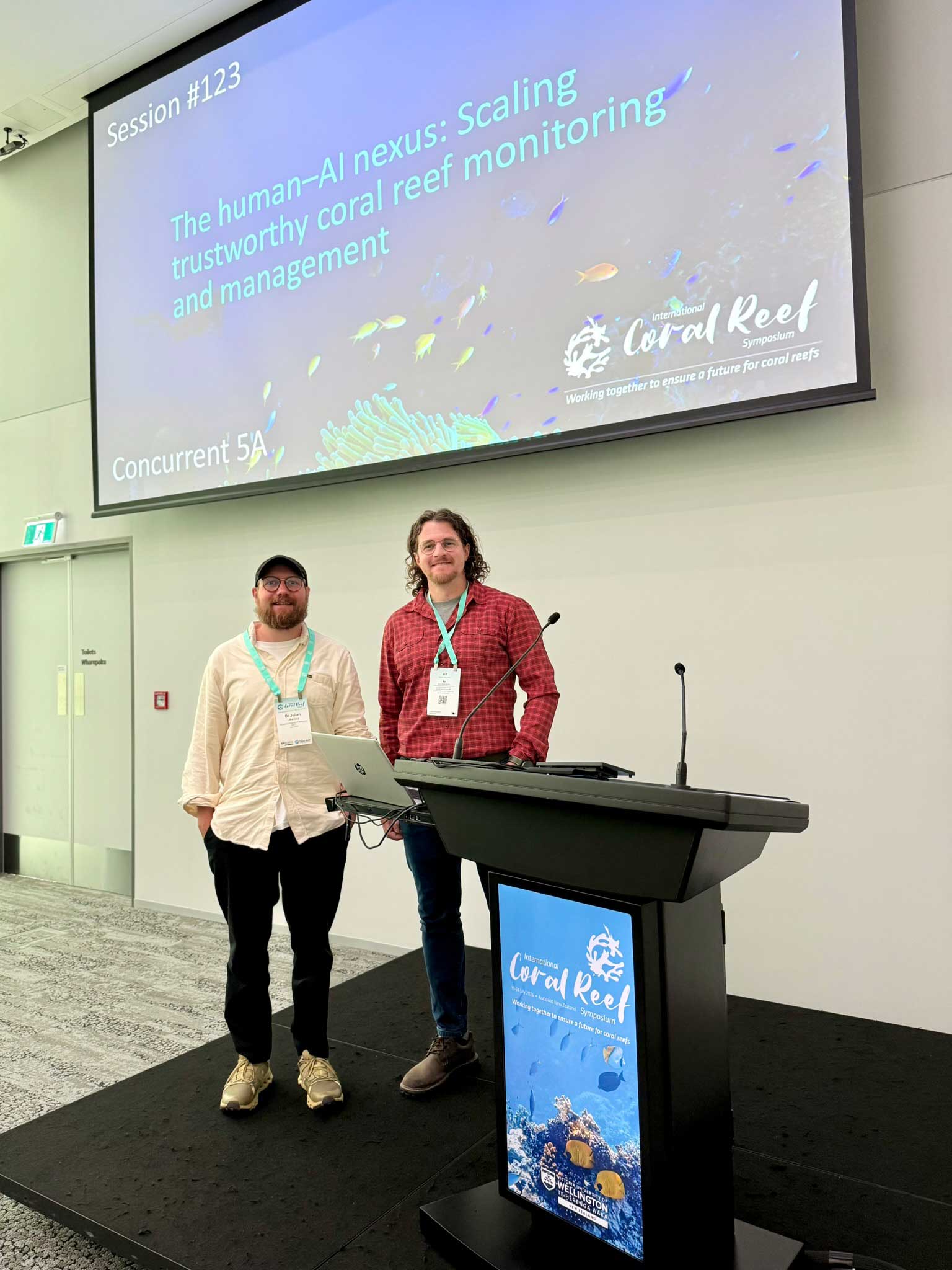
Dr Julian Lilkendey | Guest Scientist ZMT (pictured left)
“The 16th International Coral Reef Symposium in Auckland left me with sobering impressions. The latest data are worrying and the fingerprints of climate change more visible than ever, yet what unsettled me most was a creeping resignation. Colleagues suggested that reefs will simply slip back to a state they occupied for most of their time on Earth, even as millions flow into restoration with uncertain results and the consequences for the coastal communities who depend on these reefs go largely unstudied. In the human-AI nexus session I co-chaired with our colleague Daniel Schürholz, the tools on show were impressive but still overwhelmingly about perception, namely mapping, annotation, and detection, while most colleagues remained skeptical of AI in general and largely oblivious to its agentic turn. Maybe I am biased, but I left convinced the field, still works in silos, with social scientists, computer scientists, and ecologists talking past one another, and functional ecology – the movement of energy through a reef – thriving at the cellular scale but barely picked up at the organismal and ecosystem level.”
 Programme Areas
  Working Groups