



ZMT at COP31: Connecting science and policy to strengthen coastal resilience
As the 31st United Nations Climate Change Conference (COP31) gets underway in Antalya, Türkiye, a key question is how international climate commitments can be translated into effective action for coastal regions. Rising sea levels, coastal erosion and marine heatwaves threaten ecosystems and livelihoods worldwide, while many communities lack the resources and support needed to adapt. The Leibniz Centre for Tropical Marine Research (ZMT) is addressing these challenges with an event on 19 November that brings together representatives from science, politics and civil society to explore how research, local knowledge and international cooperation can strengthen coastal resilience.
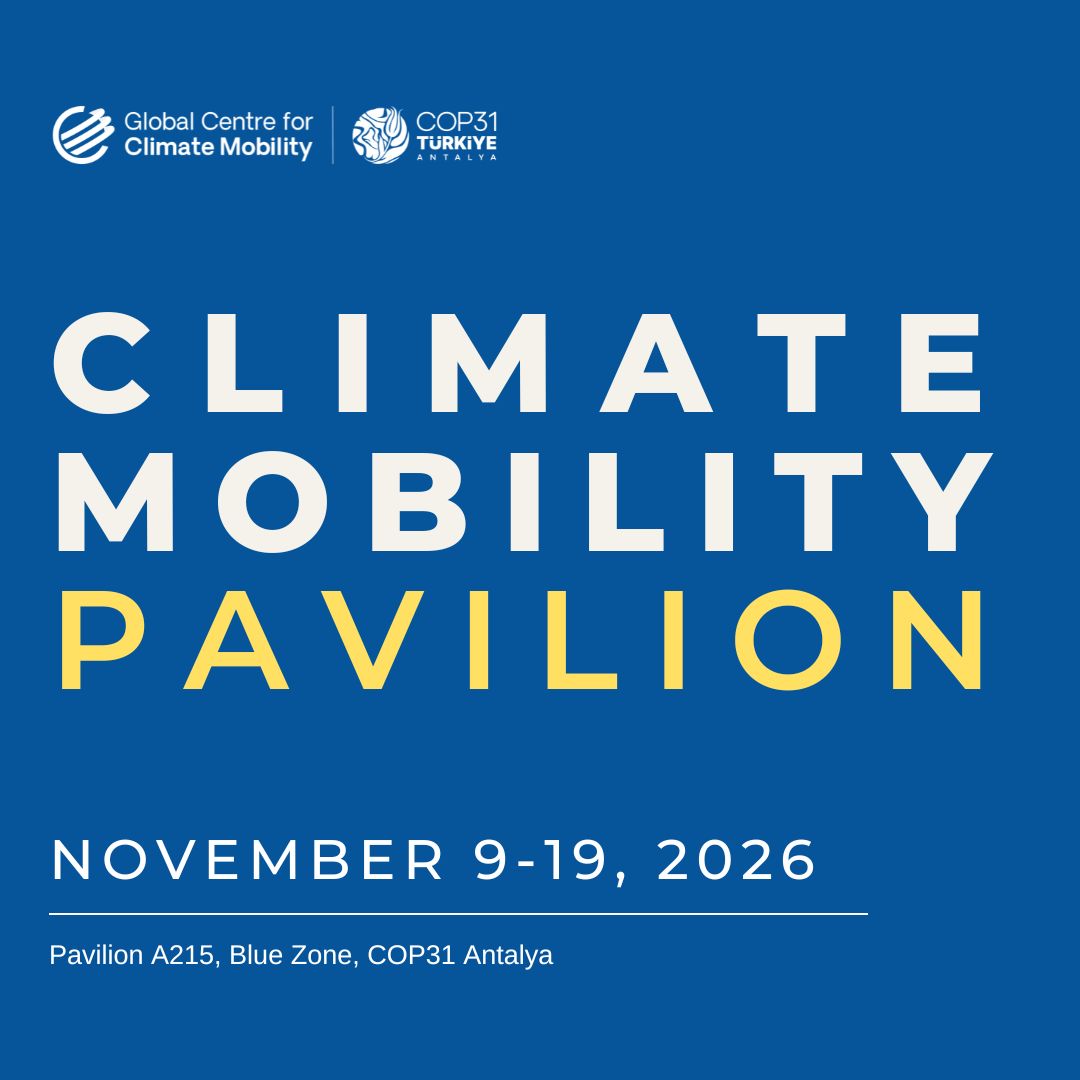
On 19 November, ZMT will co-host the panel discussion “Coastal resilience across scales: Connecting Science, Policy and Practice for climate and ocean diplomacy” at the Climate Mobility Pavilion. The event is jointly organised with the German Federal Foreign Office, ICLEI – Local Governments for Sustainability (European Secretariat) and the City of Hamburg, and hosted by the Global Centre for Climate Mobility. ZMT's Jonathan Heimer will moderate the discussion.
Bringing together perspectives from the Global North and Global South, the session will explore how coastal research, local knowledge and political decision-making can be better connected to foster socio-ecological resilience. Confirmed speakers include Katharina Fegebank, Second Mayor of Hamburg and Senator for the Environment, Climate, Energy and Agriculture, and Professor Martin Zimmer from ZMT.
Further participants have been requested from the governments of St. Kitts and Nevis and the Brazilian state of Santa Catarina, as well as from the scientific community in South Africa and Kenya, coastal communities and civil society organisations in the Global South, the Council of Europe and the Irish Presidency of the Council of the European Union. Christiane Wolters from the German Federal Foreign Office is also among the prospective speakers.
The discussion will examine how scientific data and local knowledge can support climate change adaptation in coastal regions, which approaches can be shared between regions and how networks of cities, researchers and civil society can contribute to international climate negotiations. Participants will also explore how adaptation finance can better reach local actors. With this, the outcome of the discussion will, among others, serve the All-Atlantic Network of Coastal Resilience Beacon Sites of the All-Atlantic Ocean Research and Innovation Alliance (AAORIA) that is coordinated at ZMT.
Professor Martin Zimmer, co-organiser and panellist, emphasises the close connections between coastal ecosystems and communities: “Coastal ecosystems and the people who depend on them are closely interconnected. Effective adaptation needs to take both into account. Scientific research can help us understand how coastal ecosystems respond to climate change and which measures can strengthen their resilience. But solutions will only work in the long term if they are developed together with local communities, based on their local and traditional knowledge and adapted to their needs.”
Bringing coastal perspectives into global climate action
From 9 to 20 November, representatives of governments, research institutions and civil society are gathering in Antalya for COP31. A central challenge is translating international climate commitments into concrete action, particularly in regions already experiencing the impacts of climate change.
The ocean plays an important role in climate resilience. Healthy coastal ecosystems such as mangrove forests, seagrass meadows and coral reefs can help protect shorelines and support the livelihoods of coastal communities; they are key to adaptation, biodiversity and strategies of capturing emissions (‘blue carbon’). Yet these ecosystems are themselves increasingly threatened by climate change.
Building on the 2026 Ocean and Climate Change Dialogue under the United Nations Framework Convention on Climate Change (UNFCCC), COP31 discussions address how ocean-related priorities can be integrated into national climate commitments and adaptation plans, how finance mechanisms can include coastal regions and support local prosperity aspirations. At COP31 the 17th of November is dedicated to "Ocean and Seas".
Professor Raimund Bleischwitz, Scientific Director of ZMT, highlights the need to turn international climate commitments into tangible results: “The challenge is no longer just to recognise the threats facing coastal regions, but to act on what we know. International climate commitments must lead to concrete measures, adequate financing and long-term support for vulnerable coastal regions. COP31 is an important opportunity to put coastal resilience higher on the international agenda and accelerate strategies with long-term perspectives.”
Coastal resilience and climate mobility
The ZMT event also connects coastal adaptation with climate mobility, an increasingly important dimension of the climate crisis. Rising seas, flooding and environmental degradation can increase pressure on people to leave their homes, while others may lack the resources to relocate despite growing risks.
The Climate Mobility Pavilion at COP31 provides a platform for addressing these challenges, with a particular focus on translating global commitments into regional and local action.
For ZMT, the event reflects its commitment to connecting research on tropical coastal ecosystems with societal needs and political decision-making. It is organised in the framework of the EU-funded BEACONSPlus project, which unites 15 partner organisations from nine countries on both sides of the Atlantic to co-create climate adaptation solutions with coastal communities.
Event information
Coastal resilience across scales: Connecting Science, Policy and Practice for climate and ocean diplomacy
Date: 19 November 2026, 12:45–14:15 (local time, Türkiye)
Venue: Climate Mobility Pavilion, COP31, Antalya, Türkiye
Host: Global Centre for Climate Mobility
Organising partners: German Federal Foreign Office, Leibniz Centre for Tropical Marine Research (ZMT), ICLEI – Local Governments for Sustainability (European Secretariat), and City of Hamburg
Moderation: Jonathan Heimer (ZMT)
 Contacts
 Programme Areas
 Working Groups