





In Focus
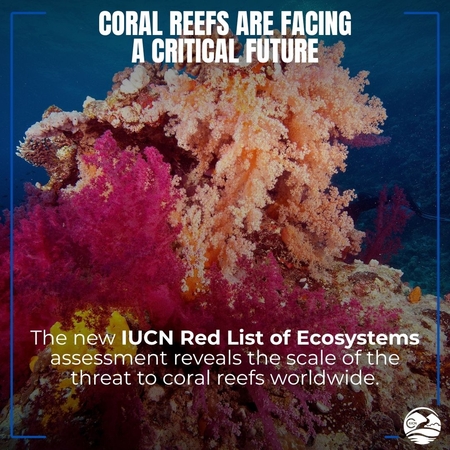
First IUCN Global Red List reveals critical risk of collapse for world's coral reefs
ZMT and Universidad de Valle researchers contribute to landmark assessment of coral reef ecosystems in the Eastern Tropical Pacific
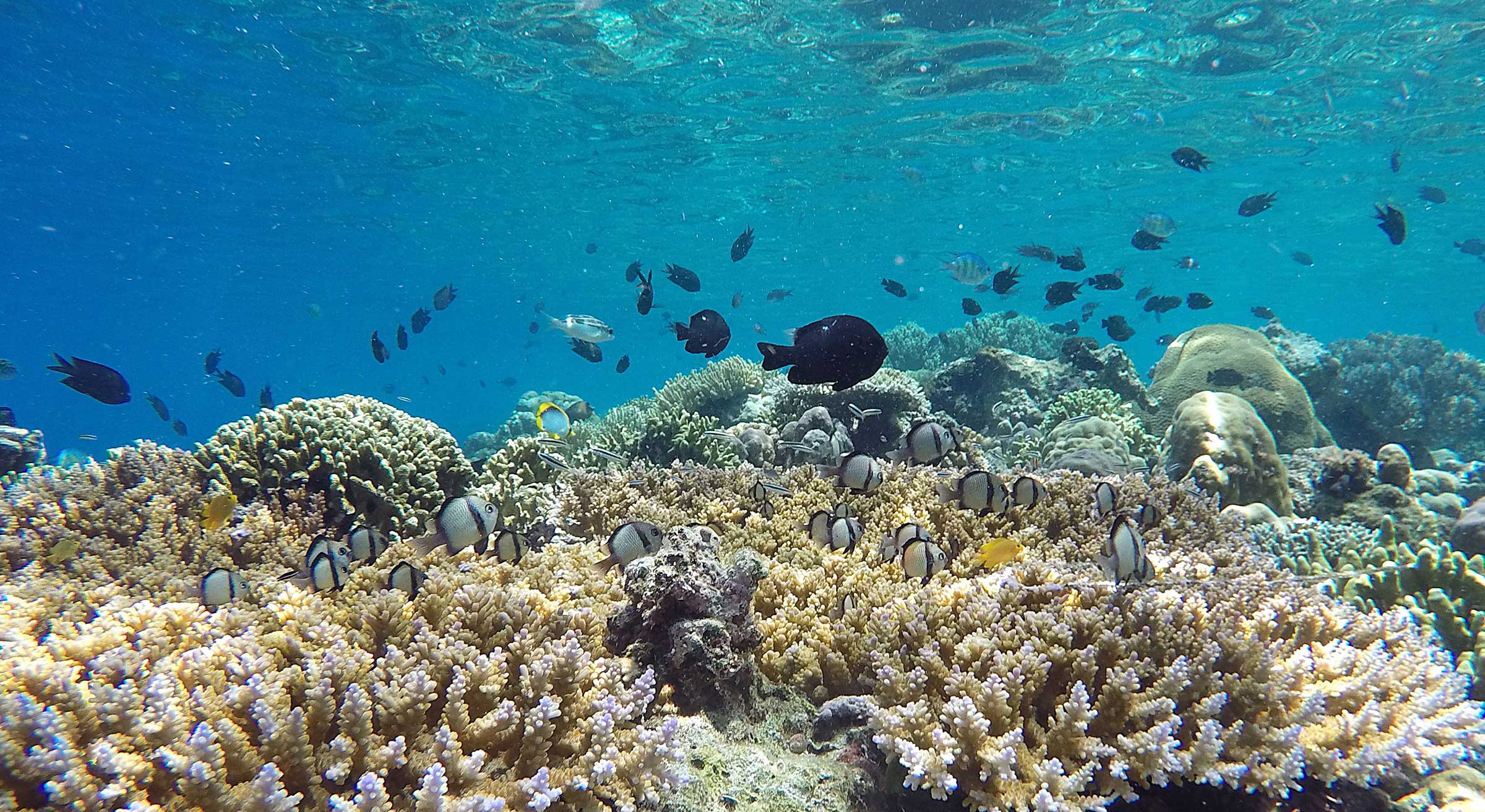
The first global IUCN Red List assessment of coral reef ecosystems reveals that 96% are Critically Endangered....
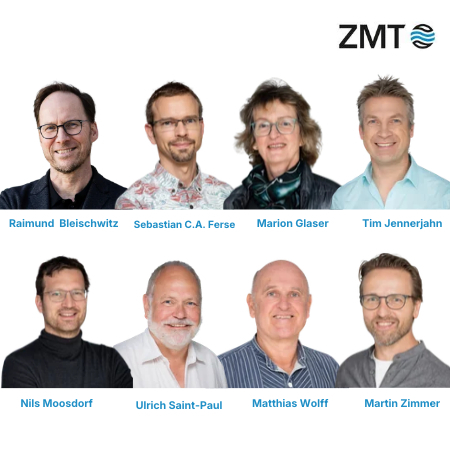
ZMT researchers rank among the world's top 2% most cited scientists
Several scientists affiliated with the Leibniz Centre for Tropical Marine Research (ZMT) are among the world's top 2% most cited researchers, according to the latest Stanford/Elsevier database. The August 2026 update recognises their scientific impact...
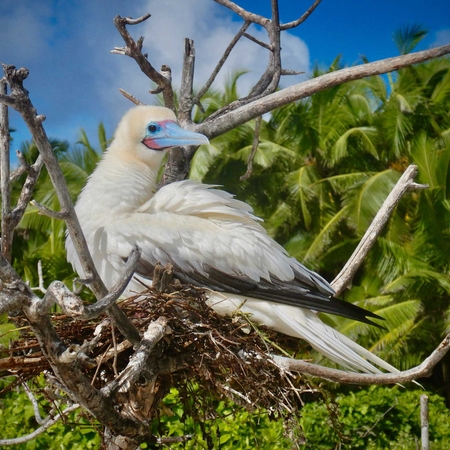
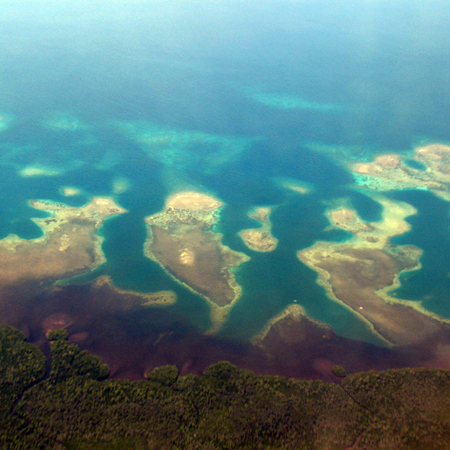
How seabirds, coral reefs and native forests can help tropical atoll islands adapt to sea-level rise
Protecting seabirds and restoring native vegetation could help tropical atoll islands adapt to rising sea levels according to a new study by an international research team led by Lancaster University, with contributions from the Leibniz Centre for...
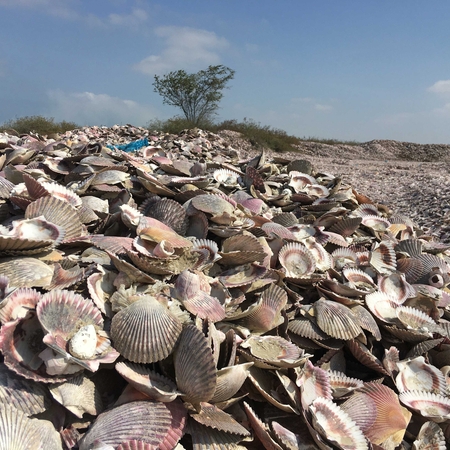
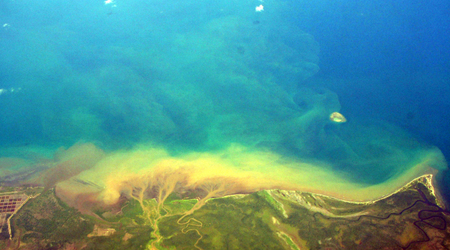
Harmful algal blooms in Peru: Who bears the consequences?
Algal blooms can have serious consequences for marine ecosystems and the economy. They occur when microscopic algae or cyanobacteria multiply rapidly under certain environmental conditions. In large numbers, they can turn the water green, brown, or...
 Current Project
 Completed Project