

In Focus
ZMT at COP31: Connecting science and policy to strengthen coastal resilience
As the 31st United Nations Climate Change Conference (COP31) gets underway in Antalya, Türkiye, a key question is how international climate commitments can be translated into effective action for coastal regions. Rising sea levels, coastal erosion...
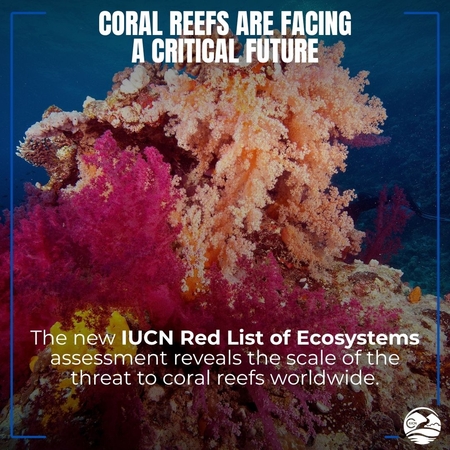
First IUCN Global Red List reveals critical risk of collapse for world's coral reefs
ZMT and Universidad de Valle researchers contribute to landmark assessment of coral reef ecosystems in the Eastern Tropical Pacific
The first global IUCN Red List assessment of coral reef ecosystems reveals that 96% are Critically Endangered....
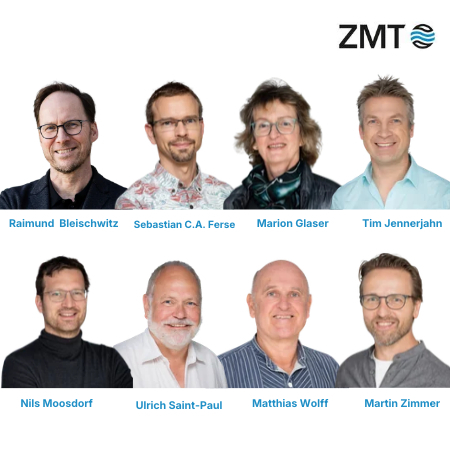
ZMT researchers rank among the world's top 2% most cited scientists
Several scientists affiliated with the Leibniz Centre for Tropical Marine Research (ZMT) are among the world's top 2% most cited researchers, according to the latest Stanford/Elsevier database. The August 2026 update recognises their scientific impact...
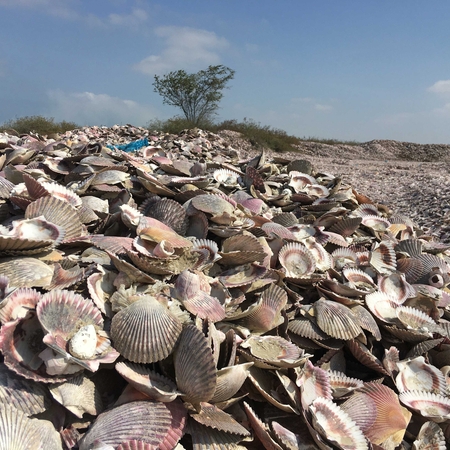
Harmful algal blooms in Peru: Who bears the consequences?
Algal blooms can have serious consequences for marine ecosystems and the economy. They occur when microscopic algae or cyanobacteria multiply rapidly under certain environmental conditions. In large numbers, they can turn the water green, brown, or...
 Current Project
 Completed Project